Messaging a visitor
You have roughly 72 hours to work with, sometimes less if it's a convention. Don't warm up for two weeks. Ask what's left on their itinerary by the second or third message, and suggest something that fits a tight clock.
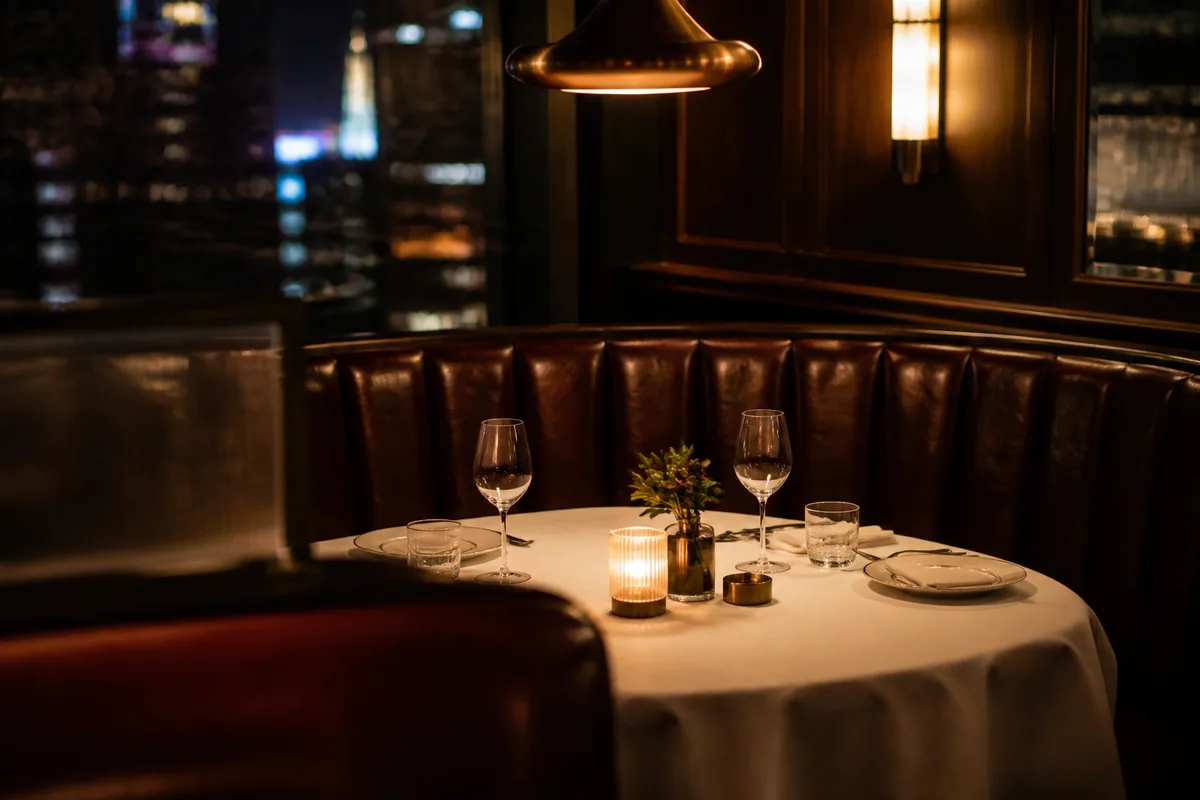
Write a useful profile, open with a specific detail, adjust your pace for a local or visitor and pay attention to how the conversation feels once you meet in person.
Write the profile
Most profiles fail because they describe a feeling instead of a person. Specificity is what gets you opened, and it's the only thing that filters the wrong people out before you waste a week.
"Fun, classy, adventurous" could describe anyone in this town. "Henderson local who'd rather do a Tuesday steakhouse than a Friday club" tells someone where you live, what you like, and which night to suggest. Be the second one.
A photo of you mid-laugh on a rooftop reads as comfortable. A dim, filtered selfie reads as hiding. Use one clear face shot, one full-length photo and one that shows an interest is all most profiles need.
Everyone is looking for fun — the phrase filters nobody. Name the shape of the evening instead: dinner and a show, a cabana afternoon, a quiet lounge off the Strip. The people who want that specific thing will self-select in.
"Local, Henderson" and "Visiting, three nights at the Wynn" are the two most useful sentences on any Las Vegas profile. They tell the other person how to pace the entire conversation before a word is exchanged.
The opener
A first message in Las Vegas only has to do three things: prove you read their profile, ask one easy question, and make the reply obvious. Everything else is noise.
"Hey gorgeous ;)"
"You up?"
"Wanna meet tonight?"
"Saw you're a Summerlin local — is the sushi place on your list worth it for a visitor with two nights left?"
"You're in for the convention too? What does your schedule look like after seven?"
Pull one concrete detail from their profile — a neighbourhood, a venue, their visiting status. A specific reference can't be copy-pasted, and it can't be mass-sent. It reads as evidence that you read the profile.
It's the one question that shapes everything after it. A visitor needs a faster clock; a local can afford a slower build. Ask by message two or three, not after a week.
"Want to get a drink at the Aria lobby Thursday?" is direct. "What do I get out of this?" is a negotiation. One invites a date; the other invites a bad time.
Local or visiting
This isn't about who pays for what — that's the dating guide's territory. This is about how fast to move, and it changes everything about your messages.
You have roughly 72 hours to work with, sometimes less if it's a convention. Don't warm up for two weeks. Ask what's left on their itinerary by the second or third message, and suggest something that fits a tight clock.
You have months, so use them. A slow, low-pressure build lands better. Suggest something next week, not tonight, and let the conversation breathe instead of sprinting to a meet.
"I'm local" or "I'm in until Sunday" is the single most useful thing you can lead with. It tells the other person whether to plan a dinner or a drink-and-see.
For the economics and neighbourhoods behind the split, read the full guide. Read the Las Vegas dating guide →
The first date
The city raises the stakes on a first date. A few habits keep it from feeling like a performance.
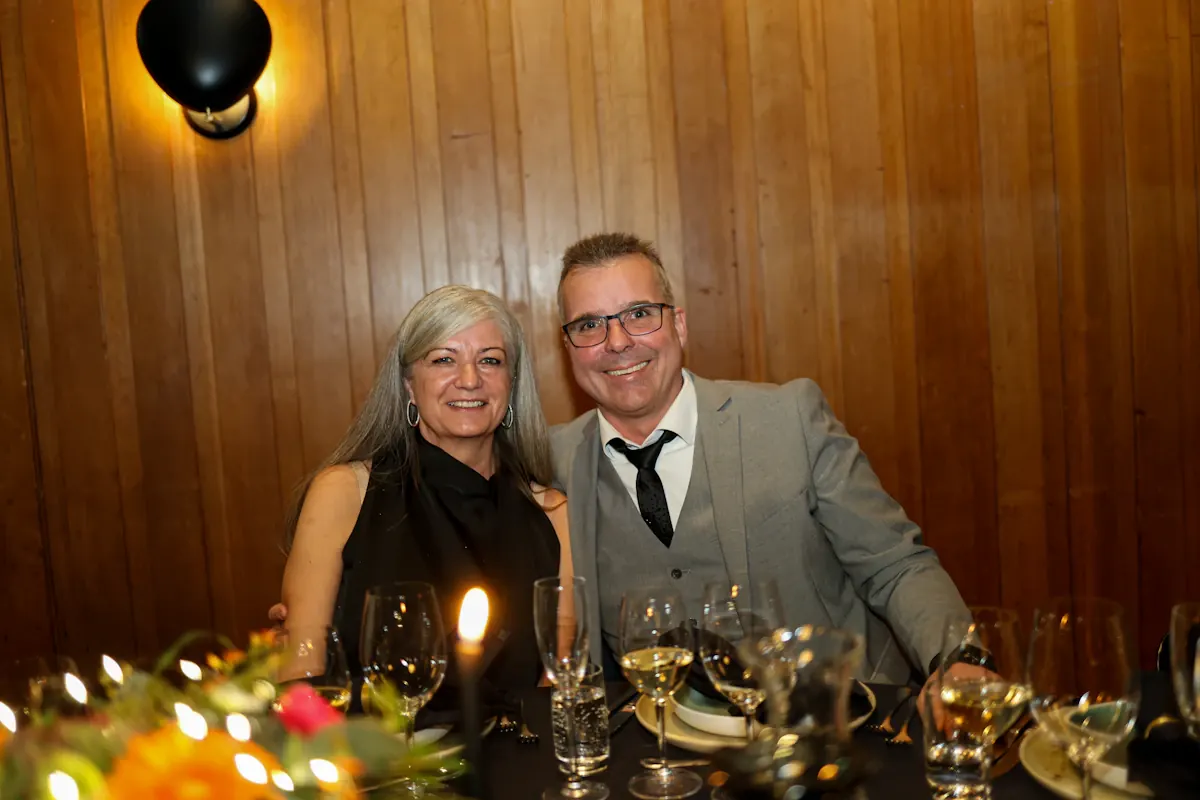
A lobby bar or a restaurant, not a club and not a pool party. The first ten minutes decide whether there's a second hour, and you can't have that conversation over a bassline.
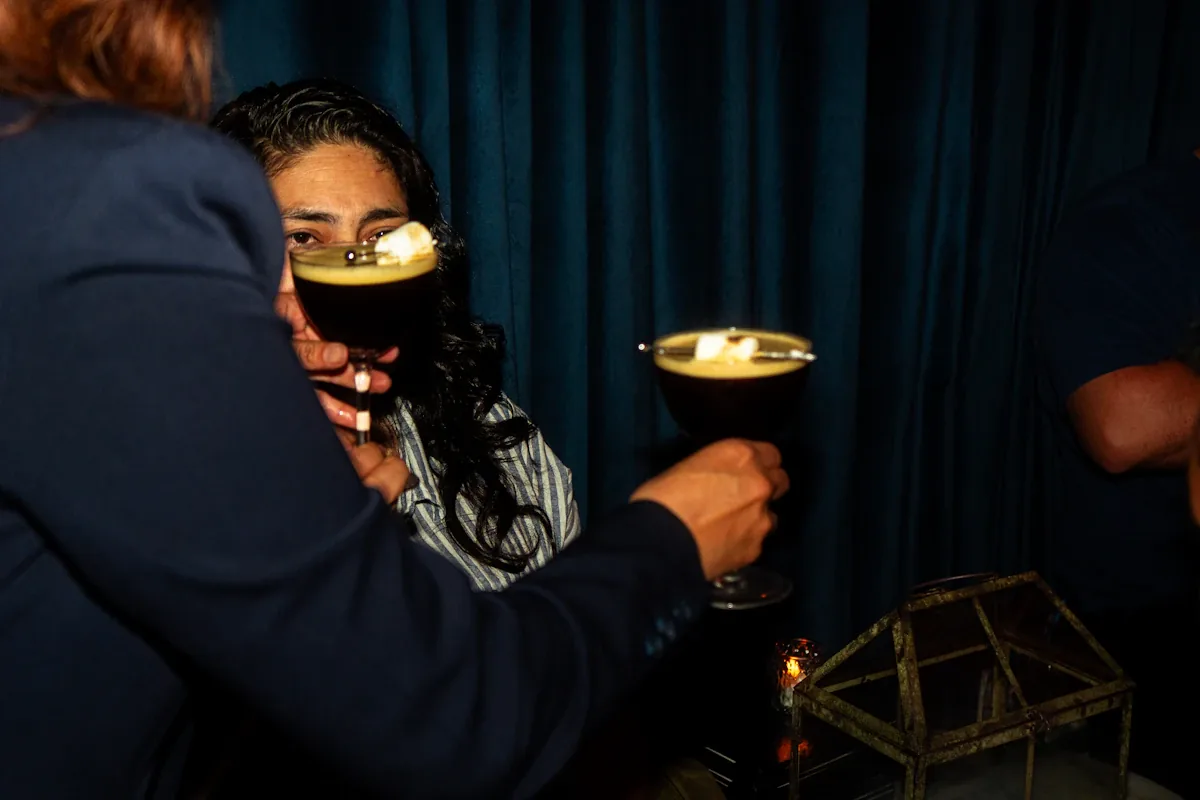
A single drink or coffee. If it clicks you can extend into dinner; if it doesn't, a short one is a mercy for both of you, and nobody's stranded across town.
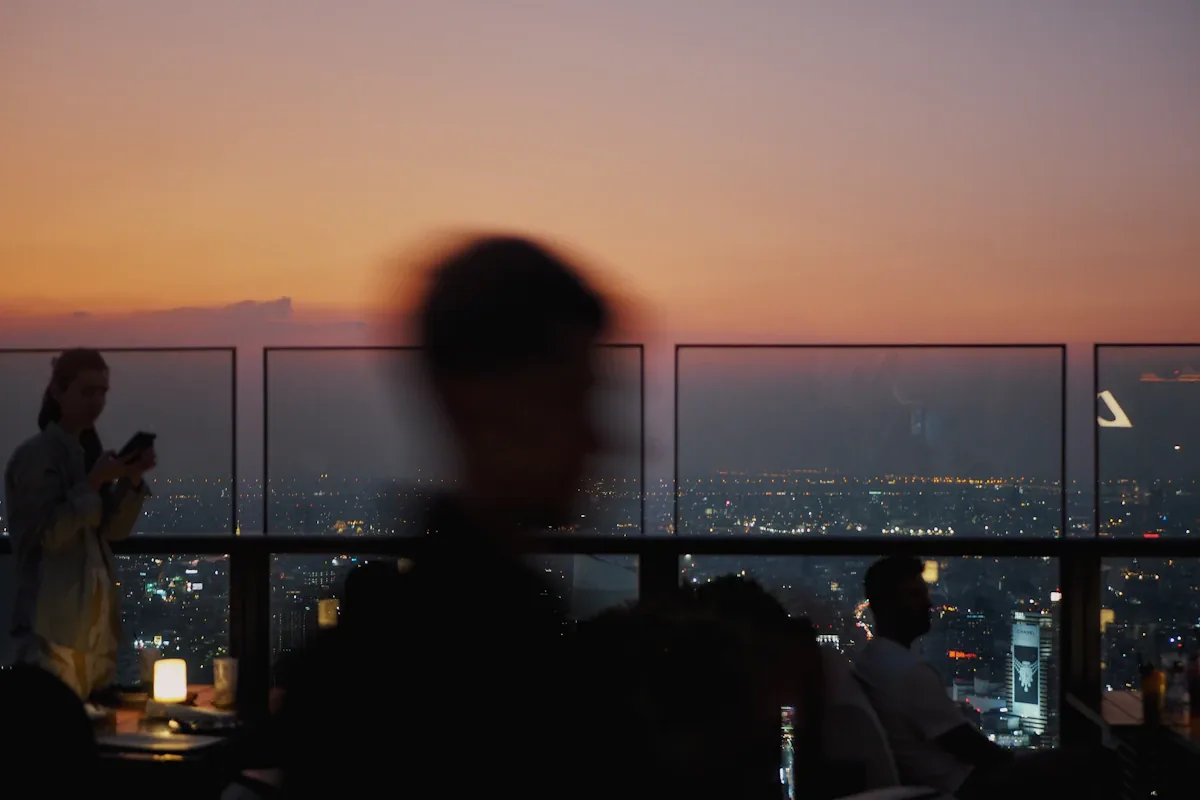
Get the table and send your ETA — on time reads as respect. Match the venue's actual vibe: overdressing beats underdressing, but a gown at a downtown bar is its own mismatch.
The setting
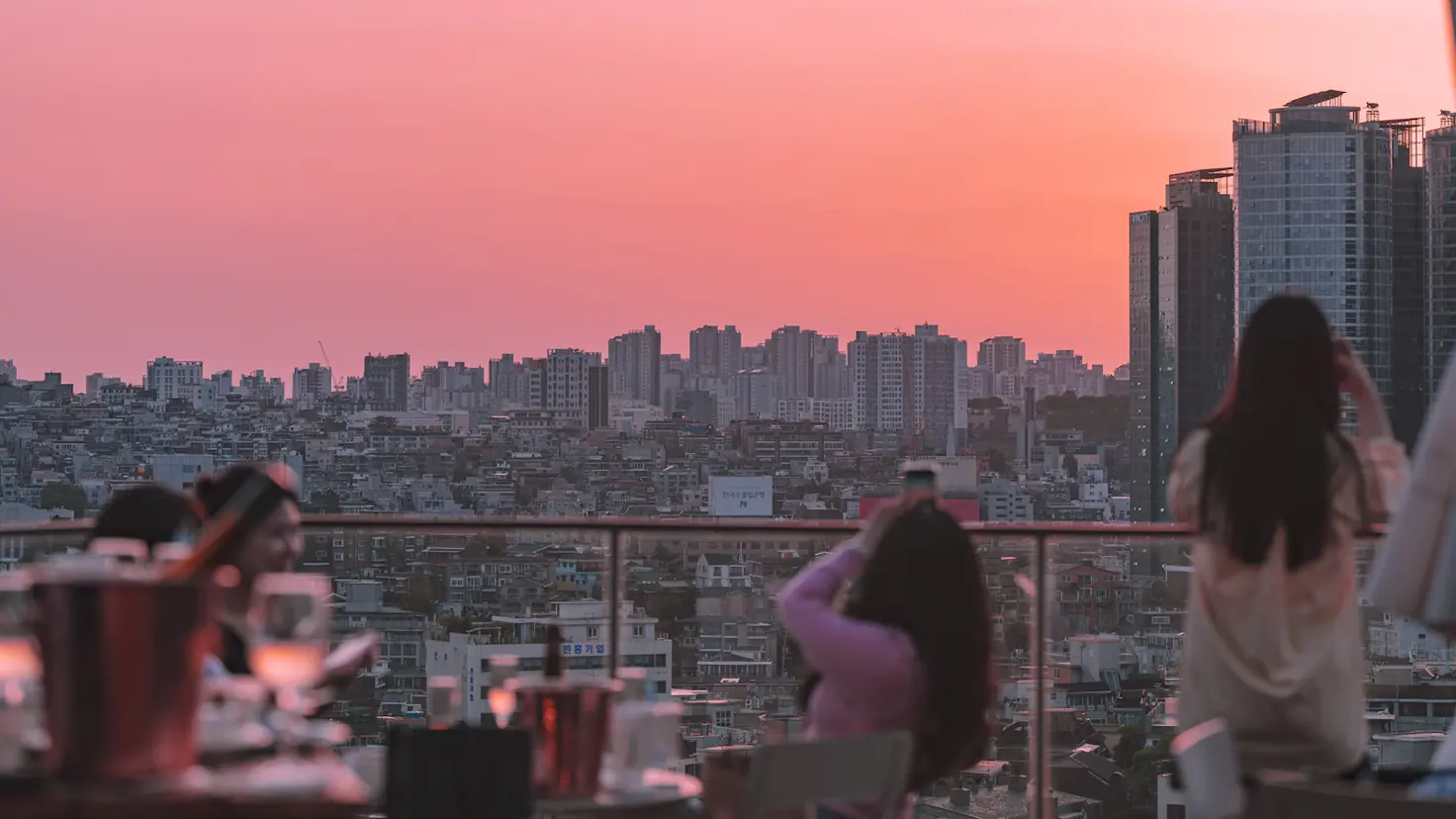
Pick the right place and the chemistry has somewhere to land. The conversation is your job — the city sets the mood for you.
Reading chemistry
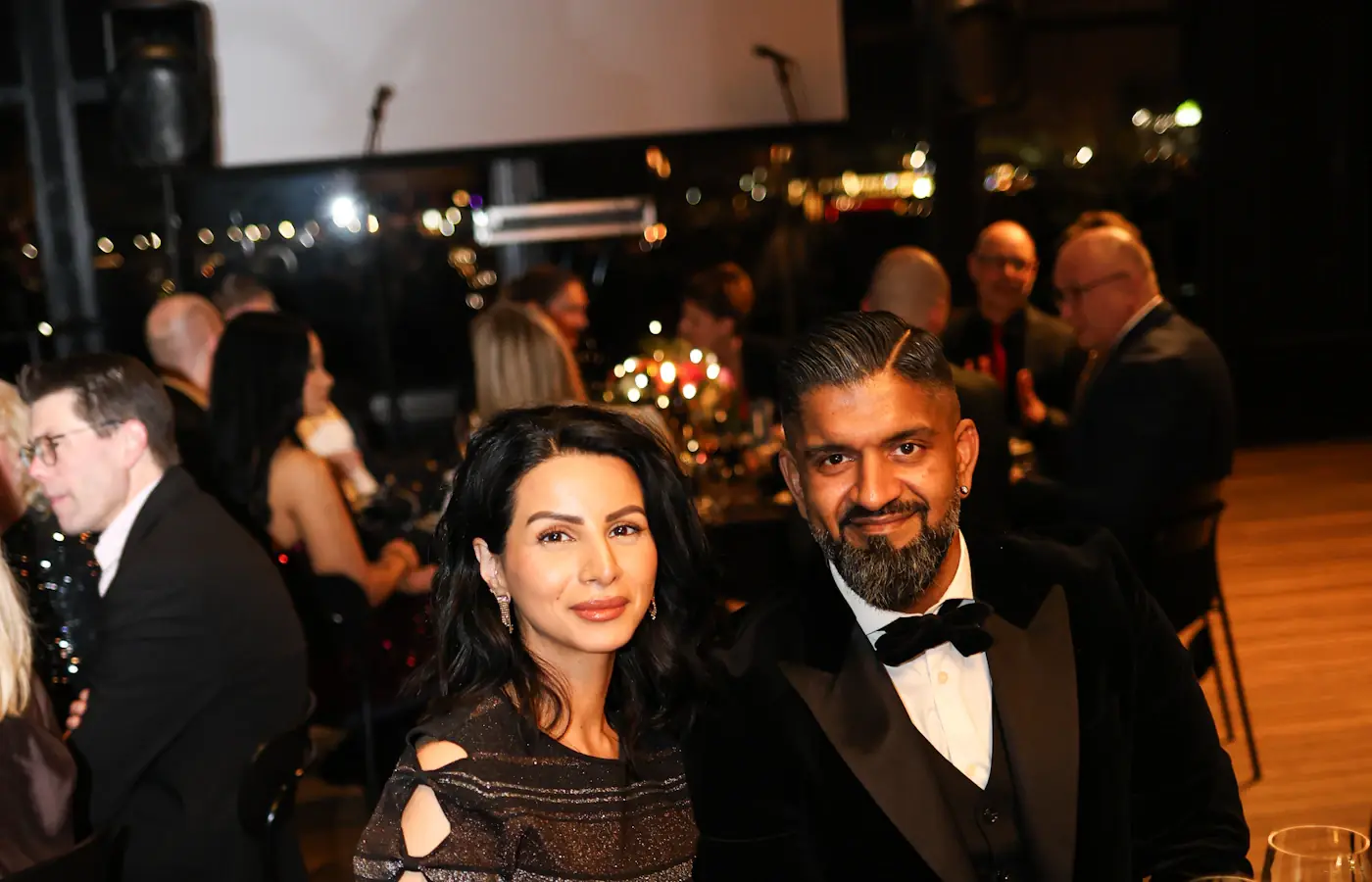
Texts can carry a version of a person that the table in front of you can't match — in either direction. Pay attention in person, because the useful signs are quieter than most people expect.
Boundaries & signals
The best dates run on honesty that happens before anyone has to be uncomfortable. Boundaries and clear signals are the mechanics of that.
"I don't share my number before we've met" lands clean. "Would it be okay if…" invites negotiation. A boundary phrased as a fact gets respected; one phrased as a question gets tested.
If you're not free this week, say "not free this week." A "maybe" that means "no" reads as flaky in a city where everyone's time is a resource. Clarity is the flattering choice.
A short, kind no is a gift. "I don't think we're a match, but I wish you luck" beats ghosting every time, and it costs you nothing.
If someone turns you down, take the no gracefully. Las Vegas is big enough that you'll rarely cross paths again, and small enough that you'll be remembered well if you're kind. The same runs in reverse — you never owe an explanation, only honesty.
Red flags
You'll usually see a problem in the messages long before you ever meet. Here's how those messages read, and what each one is really saying — the full safety mechanics live on the safety page.
"I need half the ticket money upfront to book our table."
Any advance request for money or a gift card is the whole playbook. There's no version where it's legitimate.
"This app is dead — text me on WhatsApp instead."
Pressure to leave the platform before you've met is a tell on its own, whatever the reason given.
"I can't be seen out — just come up to my room."
A refusal to meet publicly is a refusal to be seen. On a first meeting, that ends the conversation.
"Click this link to verify your account before we meet."
Verification links on outside sites are not how this platform works. Don't click, just block.
These are conversation tells, not the full picture. For hotel-room boundaries, alcohol, transportation and how to report someone, read the full safety guide →
Momentum
A good connection doesn't need to be chased — but it does need a nudge to stay alive in a city where everyone's phone is full of plans.
One message within a day, not a flood. "I had a genuinely good time — same night next week?" is enough.
"Let's hang again sometime" dies. A specific night and a specific room keeps the thread alive.
If they reply daily, reply daily. If weekly, weekly. Momentum is mirroring, not chasing.
If they fly out Sunday, don't wait until Wednesday to say you'd like to see them again. Say it while the window's open.
Common questions
Reference one concrete thing from their profile — a neighbourhood, a venue, a visiting status — and ask a single easy question. Specific beats clever, and a question with an obvious answer gets answered.
Yes. Your status — and roughly how long you're in town — changes how the other person should pace the conversation. A visitor on a 72-hour clock and a local with months to build should be messaged differently, so lead with it.
It depends on their status. With a visitor, sooner — their clock is short and a public drink early beats a long text thread that dies when they fly home. With a local, take the time a slow build buys you. Either way, the first meeting is public.
That's exactly what a short, low-stakes first date is for. End it graciously, thank them for the evening, and don't force a second one. A clean decline is kinder than a dragged-out maybe — for both of you.
Phrase it as a fact, not a question: "I don't share my number before we meet" rather than "would it be okay if I didn't?" A fact invites respect; a question invites negotiation. Say it early, before it feels like a rejection.
This page is about dating well; the safety guide is about dating safely — hotel-room boundaries, alcohol, transportation and reporting. They overlap on purpose, and you should read both before you meet anyone.
Keep reading
Members online now
Write a profile that gives someone a natural reason to start talking.