The Strip
The four-mile boulevard of mega-resorts, and every visitor's default. Dinner, a show, a rooftop — everything in walking distance, everything public and performed.

A local may have weeks to plan; a visitor may have two free evenings before checkout. This guide explains how neighbourhood, travel timing and the convention calendar affect a date.
Local and visiting schedules · Neighbourhood guidance · First-date planning
The signature split
The Las Vegas–Henderson–North Las Vegas metro had an estimated 2.4 million residents in 2025, while Las Vegas welcomed 38.5 million visitors that year. They're not looking for the same thing, and they're not on the same clock. Treating them as one pool of people is how good connections get missed.
Sources: U.S. Census Bureau 2025 metro estimates and LVCVA 2025 visitor data.
A visitor wants a lot of Las Vegas in a little time. A local wants a normal Tuesday that happens to be great. Neither is wrong — they're just reading from different schedules, and the best openings name that difference out loud instead of pretending it isn't there.
Every profile carries its status, and you can filter on it before you say a word. How to handle the split in your messages →
Where to meet them
Where someone is tells you more than what they say. The Strip and Summerlin are in the same city and might as well be different planets.
The four-mile boulevard of mega-resorts, and every visitor's default. Dinner, a show, a rooftop — everything in walking distance, everything public and performed.
The original city, now a tangle of dive bars and serious cocktail rooms. A younger, service-industry crowd plus tourists chasing "old" Vegas on the cheap.
A walkable strip of galleries, vintage shops and cocktail bars between Charleston and the Strip. Almost entirely locals, and it feels nothing like the Strip.
Affluent master-planned suburbs against the Red Rock edge. Established locals — doctors, executives, business owners — who want nothing to do with tourists.
The city's second city — affluent, sprawling, family-and-retiree-heavy. Locals who moved for space and never go near the Strip unless they have to.
The hotels and halls around Paradise and the Convention Center. Business traffic in town for three days with a packed schedule and a room already paid for.
The Vegas calendar
The city has a pulse, and it isn't steady. Knowing which part of the week you're working with changes everything about how — and who — you meet.
Monday to Wednesday often works well for locals. Tables are easier, the crowd is thinner, and the city feels like a city instead of a theme park. You can hear each other.
CES in January and the broader convention calendar flood the Resort Corridor with business travellers working with compressed weekday schedules and set budgets.
Three days of peak tourism, inflated everything, and a lot of locals who either leave town or stay home. Plan for it — or plan around it.
The single most useful Las Vegas dating habit is checking what week it is before you set the date. A convention week and a quiet Tuesday are different cities wearing the same name.

Golden hour to last call
Afternoon is poolside and unhurried. Golden hour is the rooftop switch-on. Late night is when conversation becomes easier. Good dates account for that shift in pace.

Resort dating
A resort is its own sealed world. The lobby bar, the restaurant, the pool and the room are all within a few minutes' walk, which means one of you never has to think about logistics — and the other gets to be a generous host without owning any of it.
The lobby bar is the natural first meeting: public, staffed, and one elevator ride from whoever is staying there. It tells you more in ten minutes than a week of messaging, and it's effortless to leave if the chemistry isn't there.
Checkout time is a fixed constraint. The whole plan sits between check-in and eleven the next morning, and the good plans respect that instead of pretending it isn't happening. Whoever's local supplies the intel; whoever's staying supplies the setting.

They land Monday, work the floor through Thursday, and fly out Friday. They're not here to sightsee — they're here for one or two genuinely good evenings and a connection that makes the trip worth having.

A convention visitor frequently has a steakhouse reservation they'd rather not eat alone. Meeting someone who wants to share the evening can turn a working dinner into the best part of the trip.
Three nights, done right
Two or three nights is plenty — if you're honest about the clock. The people it works for are the ones who plan around the time available.
A lobby bar or a quiet lounge. Confirm the chemistry, then end on a high note.
Dinner or a rooftop at golden hour. This is where a trip becomes a story.
Brunch or a poolside afternoon before the flight. No pressure, no checkout scramble.
"I'm here until Thursday" is honest and sets expectations before anyone gets attached.
Put the effort into the second night. Keep the first short and the last easy.
Skip the checklist of attractions. The connection is the point, not the itinerary.
A short stay can become ongoing — but don't promise that on night one.
A short stay isn't a lesser connection — it's a different one. The people it works for are the ones who are honest about the clock from the first message.
First meetings & privacy
In a city built on hotel rooms and late nights, the first meeting is where you make the call. Public, neutral, and easy to leave — every single time.

Somewhere quiet in the Arts District where conversation is easy. It signals you know the city, and it keeps the night off everyone's radar.
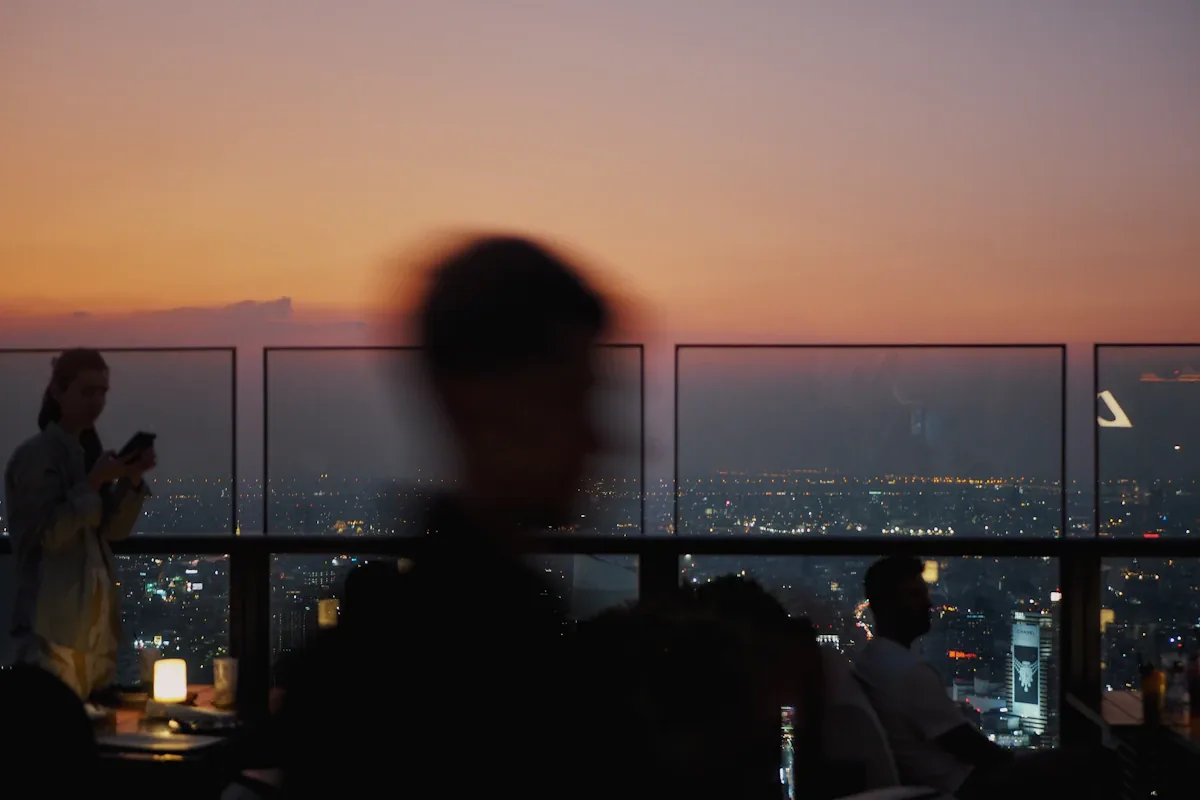
Meeting over a sunset instead of a late-night drink keeps things measured — you see each other in daylight, and the evening can still go anywhere.
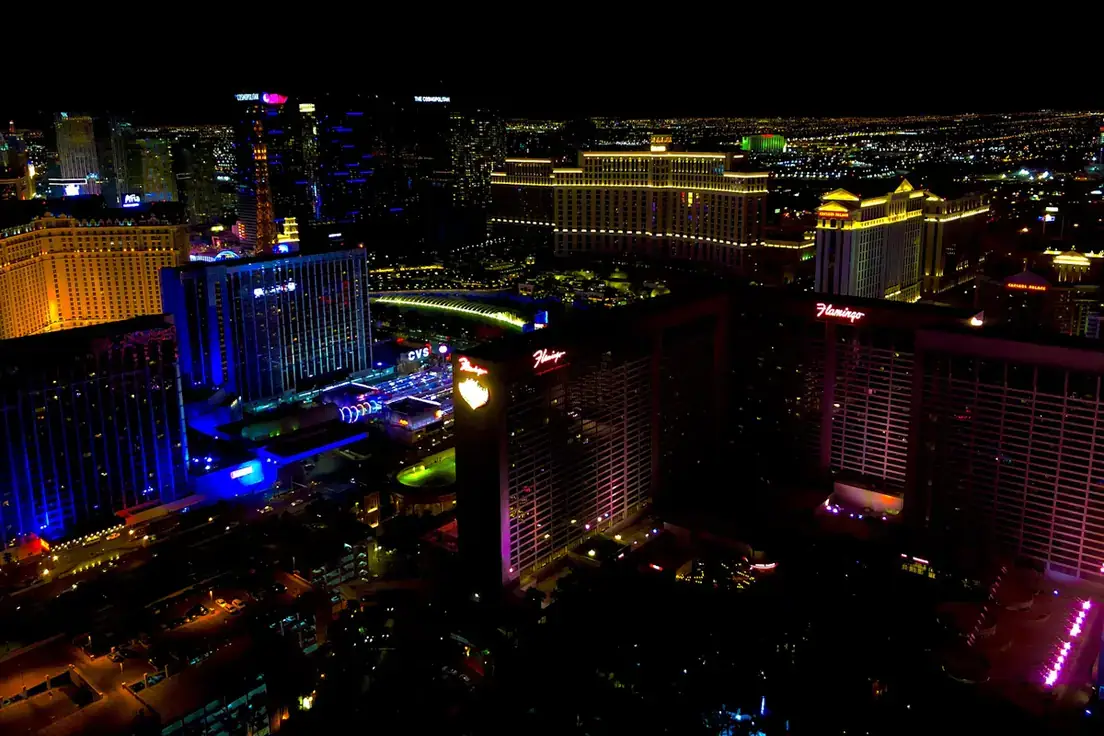
Public, staffed, one elevator ride from whoever's staying. Neutral enough to end early, good enough to keep going.
A Summerlin executive or a Green Valley business owner has a life here — a name, a firm, neighbours. Discretion isn't paranoia; it's protecting a life that existed before you and will exist after you.
A convention attendee is often sharing a hotel with colleagues and a boss. Privacy isn't about hiding you — it's about not turning a work trip into a workplace problem.
The rule that never bends: meet in public first, every time. Read the full safety guide →
Quick tips
"Local, Henderson" or "three nights at the Wynn" is the most useful line you can put on a Las Vegas profile.
The rooftop at 6:30 tells you more about a person than the club at eleven.
If one of you is on property, the evening runs on that clock. Plan backwards from it.
The same table on a Tuesday is easier, quieter, and more honest than Saturday's.
One good room and one good hour. The city does the rest.
When the Strip starts to feel like a theme park, cross Charleston and remember why you like this city.
Common questions
Yes, and it comes down to geography and traffic. The metro had an estimated 2.4 million residents in 2025, while Las Vegas recorded 38.5 million visitors that year, so you're never dating one pool of people — you're dating two that barely overlap. Add resorts built for walkability, a convention calendar that changes week to week, and a city that runs until dawn, and the same approach you'd use anywhere else simply doesn't translate.
A local brings knowledge and time — the off-Strip rooms, weekday availability, and the possibility of something ongoing. A visitor brings energy and a compressed clock — they may be here for three nights with a set budget and limited free time. Neither is better; they just ask completely different things of you, which is why profiles carry a Local or Visiting status you can filter on.
For locals, midweek — Monday through Wednesday the Strip is quieter, tables are easier to book, and the city feels like a city. For visitors, Thursday to Sunday is when the energy peaks. Convention weeks, especially CES in January, bring a flood of business travellers on weekday schedules. The short version: match your timing to who you're trying to meet.
In public, always, and ideally somewhere neutral and easy to leave. A hotel lobby bar is the classic — one elevator ride from whoever's staying, staffed, and simple to exit if the chemistry isn't there. Off the Strip, a quiet cocktail bar in the Arts District works the same way for locals. Nothing about a first meeting should depend on a room or a ride.
More than enough, if you're honest about the clock. One good evening beats three rushed ones. A short stay is a different connection, not a lesser one: keep the first meeting to an hour in public, put more planning into the second night and leave the third for an unhurried goodbye before the flight.
It changes why. Locals are usually protecting a life — a name, a business, neighbours — that exists whether you're in it or not. Visitors are usually protecting a job, sharing a hotel with colleagues. The need for discretion is the same; the reason behind it is different, and understanding which one applies changes how you behave.
Members online now
Say whether you are local or visiting, then plan around the time both people have.